Benefits of Home EV Chargers
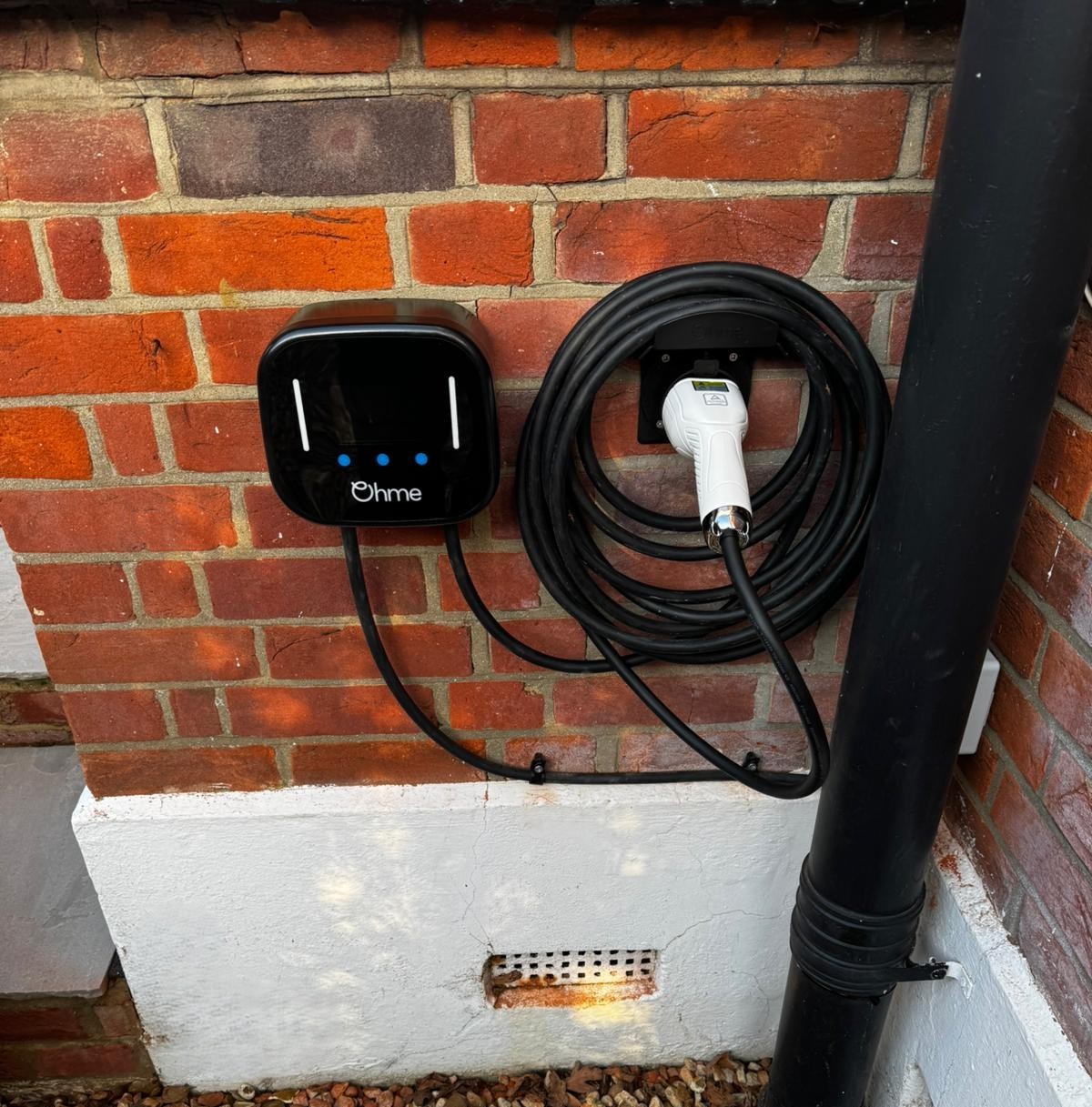
Investing in a home EV charger offers numerous benefits, including the convenience of charging your EV at home overnight. Home EV charging allows you to take advantage of off-peak energy tariff rates, such as those offered by Octopus, reducing the cost to charge an electric car. With a home charger installed, you can easily charge your electric vehicle and ensure that your car is always ready for your next journey. You can also charge your electric vehicle, making EV charging at home even more convenient.
Home EV Charging Solutions
Smart Home Integrations for EV Charging
Integrating your home charger with smart home systems can significantly enhance your EV charging experience. Imagine controlling your home EV charger installation via your smartphone, scheduling charging sessions, and monitoring your energy consumption. With smart home integrations, you can optimize your home EV charging based on your energy tariff, ensuring you are always taking advantage of the cheapest rates, potentially using intelligent Octopus. This level of control not only saves you money but also makes managing your electric vehicle more convenient and efficient. Blue Fox Electrical can help you integrate your EV chargers seamlessly into your smart home ecosystem for optimal performance.
Public Charging vs. Home Charging
While public charging options are available, home charging offers unparalleled convenience and cost savings. Public charging often involves higher tariff rates and the inconvenience of finding an available charge point. With a home charger, you can charge your EV overnight, ensuring your electric car is always ready when you need it. The cost to charge an electric car at home is generally lower due to off-peak energy tariff options. Furthermore, home charging eliminates the need to wait in line at public charge stations, making your EV ownership experience more enjoyable and stress-free. Investing in home EV charging is a smart choice for any electric vehicle owner.
Charging Your EV: Tips and Best Practices
To maximize the lifespan and efficiency of your electric car battery, adopting best practices for EV charging is essential. There are a few things you can do, including:
- Avoid fully depleting your battery before charging; instead, aim to maintain a charge level between 20% and 80%.
- Use your home EV charger installation during off-peak hours to take advantage of lower energy tariff.
Regularly check your charger installations for any signs of wear or damage. Consider using a type 2 charger for faster charging speeds. By following these tips, you can prolong your battery life, reduce your cost to charge, and ensure your home charging system operates safely and efficiently for years to come. Blue Fox Electrical offers guidance on EV charging at home to help you get an EV charger installed.
Cost Considerations for EV Charger Installations
How Much Does it Cost to Charge an Electric Vehicle?
The cost to charge an electric car can vary significantly depending on several factors. When charging at home, the energy tariff plays a crucial role. Off-peak tariffs, such as those offered by Octopus Energy, can substantially reduce the cost to charge an electric vehicle. Public charge stations typically have higher rates compared to home charging. Installing a home EV charger allows you to charge your electric car overnight, taking advantage of lower tariff. The efficiency of your electric car and the type of EV charger also affect the overall cost. A type 2 charger, for instance, can provide faster charging and potentially reduce charging time, indirectly lowering the cost to charge your EV.
Factors Affecting Installation Costs
Several factors influence the EV charger installation costs. The type of EV chargers you choose, whether tethered EV chargers or untethered ones, affects the price. A standard installation involves connecting the home EV charger to your existing power supply without major modifications. However, the best place to install may require additional wiring or electrical work, leading to increased installation cost. The distance between the charger and the power supply is also a factor. Electrical upgrades might be necessary to accommodate the additional load of the EV charger. Always consider these aspects to get an EV charger installed.
Financing Options for EV Charger Installations
Various financing options are available to help manage the initial cost of installing a home EV charger installation. Government incentives, such as the EV chargepoint grant, can significantly reduce the financial burden of getting an EV charger installed. Some energy providers offer financing plans or rebates for customers who install a charger. Additionally, you may be able to finance the installation through a home equity loan or personal loan. Exploring these financing options can make home EV charging more accessible and affordable. Investing in a home charger allows you to charge your electric vehicle more conveniently and cost-effectively.
Understanding EV Chargers
What is an Electric Vehicle (EV) Charger?
An electric vehicle (EV) charger, also known as an electric car charger, is a device designed to recharge the batteries of electric vehicles. These EV chargers come in various forms, from simple domestic EV units to sophisticated smart home integrated systems. The primary function of an EV charger is to safely and efficiently transfer electrical energy from your power supply to the electric car’s battery, enabling you to charge your electric car at home. Home EV charger installation is becoming increasingly popular as more people switch to electric vehicles and seek convenient home charging solutions. Understanding the different types and capabilities of EV chargers is essential for choosing the right charger for your needs.
Types of EV Chargers
There are several types of EV chargers available, each offering different charging speeds and capabilities. To better understand your options, here’s a breakdown of some common types:
- Level 1 chargers use a standard 120V household outlet and provide the slowest charging speed, suitable for overnight charging.
- Level 2 chargers, commonly used for home EV charging, require a 240V outlet and offer significantly faster charging speeds.
DC fast chargers, also known as Level 3 chargers, are typically found at public charge stations and provide the quickest charge to an electric car. When considering home EV charger installation, it’s crucial to choose a charger that matches your electric car’s charging capacity and your daily driving needs to effectively charge your electric vehicle.
Steps for Installing a Home EV Charger
Installing a home EV charger involves several key steps. Careful planning is essential, and this includes:
- Assessing your electrical panel to ensure it can handle the additional load.
- Selecting the best location for the charger, considering both power supply proximity and vehicle access.
After this initial planning, it’s crucial to hire a certified electrician to handle the electrical work and ensure all safety regulations are met. The electrician will install a dedicated circuit and the appropriate outlet for your chosen charger. Finally, test the charger to verify it’s functioning correctly, following safety precautions. The result is convenient charging your EV at home.
FAQs About Home EV Charger Installations
Common Questions About EV Charger Installation
Many homeowners have common questions about EV charger installation. One frequent question is about the installation cost and what’s included in a standard installation. Another concern is whether their existing electrical panel can support the additional load of an EV charger. People often wonder about the best place to install the charger for optimal convenience. Additionally, they ask about the compatibility of different EV chargers with their electric vehicle. Understanding these aspects can help homeowners make informed decisions and ensure a smooth and efficient EV charger installation process for their home.
Maintenance of Home EV Chargers
Maintaining your home EV charger is crucial for ensuring its longevity and optimal performance. Regularly inspect the charger and its cable for any signs of damage, such as cracks, frayed wires, or corrosion. Keep the charger clean and free from dust and debris. If you have tethered EV chargers, ensure the cable is properly stored to prevent damage. Periodically test the charger installations to verify it’s functioning correctly. If you notice any issues, contact a qualified electrician for repairs. Proper maintenance will help you avoid costly repairs and extend the lifespan of your EV chargers.
Where to Get an EV Charger?
You can purchase EV chargers from various sources, including online retailers, electric car dealerships, and specialized electrical suppliers. When selecting a provider, consider factors such as the charger’s compatibility with your electric vehicle, the installation cost, and the availability of customer support. Blue Fox Electrical offers a wide range of high-quality EV chargers and expert installation services to meet your specific needs. Our team can help you choose the right charger and ensure a seamless installation process. Contact us today to explore our EV chargers and learn how we can assist you with your home EV charging needs so that you can charge your electric car.
Home EV Charger Installation — Frequently Asked Questions
1. What preliminary site assessments are often overlooked before home EV charger installation?
Commonly overlooked assessments include checking the location of the main electrical panel for future capacity upgrades, verifying soil or driveway conditions for mounting pedestals, confirming Wi‑Fi signal strength at the intended charger location for connected chargers, and inventorying nearby outdoor outlets or conduit runs that could simplify installation.
2. Do I need a dedicated circuit for a Level 2 home EV charger?
Yes. Most Level 2 chargers require a dedicated circuit sized to the charger’s maximum continuous current (generally 30–50 amps). A dedicated circuit helps prevent nuisance tripping and ensures safe continuous operation during charging sessions.
3. Can a home EV charger be installed on a rented property?
Yes, but you should secure landlord permission and document agreements about who pays for installation, who owns the charger, and whether the landlord requires removal at lease end. Some local programs offer incentives or shared-cost options for renters.
4. How do I choose between a hardwired and plug-in installation?
Hardwired chargers are permanently connected to the home electrical system and are more tamper-resistant; they often look cleaner. Plug-in chargers use a NEMA receptacle (commonly 14-50 or 6-50) and allow easier replacement or removal. Choose based on electrician recommendation, local code, and whether you want portability.
5. What permits are typically required for home EV charger installation?
Most jurisdictions require an electrical permit and an inspection for new circuits or panel upgrades. If exterior conduit or trenching alters property features, additional permits may apply. Always check with your local building department before proceeding.
6. How will installing a home EV charger affect my home insurance or warranty?
Installing an EV charger may require notifying your homeowner’s insurance to ensure coverage for electrical work and equipment. If installation is done incorrectly, it could affect home warranty claims tied to electrical systems. Use licensed electricians and keep records to protect coverage.
7. Are there less-known incentives or rebates for home EV charger installation?
Beyond federal tax credits and utility rebates, look for local municipality grants, workplace partnership discounts, or community bulk-installation programs that reduce costs. Some utilities offer time-of-use rate credits or funding for smart chargers that enable load management.
8. How can I future‑proof my home EV charger installation for faster chargers or second vehicles?
Future-proofing options include installing a larger conduit, running oversized gauge wiring to a subpanel, leaving spare capacity in the main panel, and placing conduit or stub-outs to anticipated charger locations. Consider pre-installing a 60–100 amp space or planning for a dual‑charger setup if you expect two EVs.
9. What are common safety oversights during home EV charger installation?
Safety oversights include inadequate weatherproofing of outdoor connections, poor cable management causing tripping hazards, using undersized breakers or wiring, not installing GFCI protection where required, and mounting at heights or locations prone to vehicle damage.
10. Can solar panels or home batteries be integrated with a home EV charger?
Yes. Many homeowners integrate Level 2 charging with rooftop solar and home battery systems for lower-cost charging and backup power. Integration may require an intelligent energy management system to prioritize loads and prevent grid overload during peak charging.
11. How does weather affect outdoor home EV charger performance and durability?
Quality outdoor chargers are rated for temperature extremes and have weatherproof enclosures (IP and NEMA ratings). Cold weather can reduce charging speed and battery acceptance; hot weather can trigger thermal protection. Proper mounting, shade, and ensuring clear airflow help performance and longevity.
12. What maintenance should I plan for after home EV charger installation?
Routine maintenance includes inspecting cables and connectors for wear, cleaning connectors with manufacturer‑recommended methods, checking mounting hardware for corrosion, testing GFCI and safety features per local code, and keeping firmware updated for smart chargers.